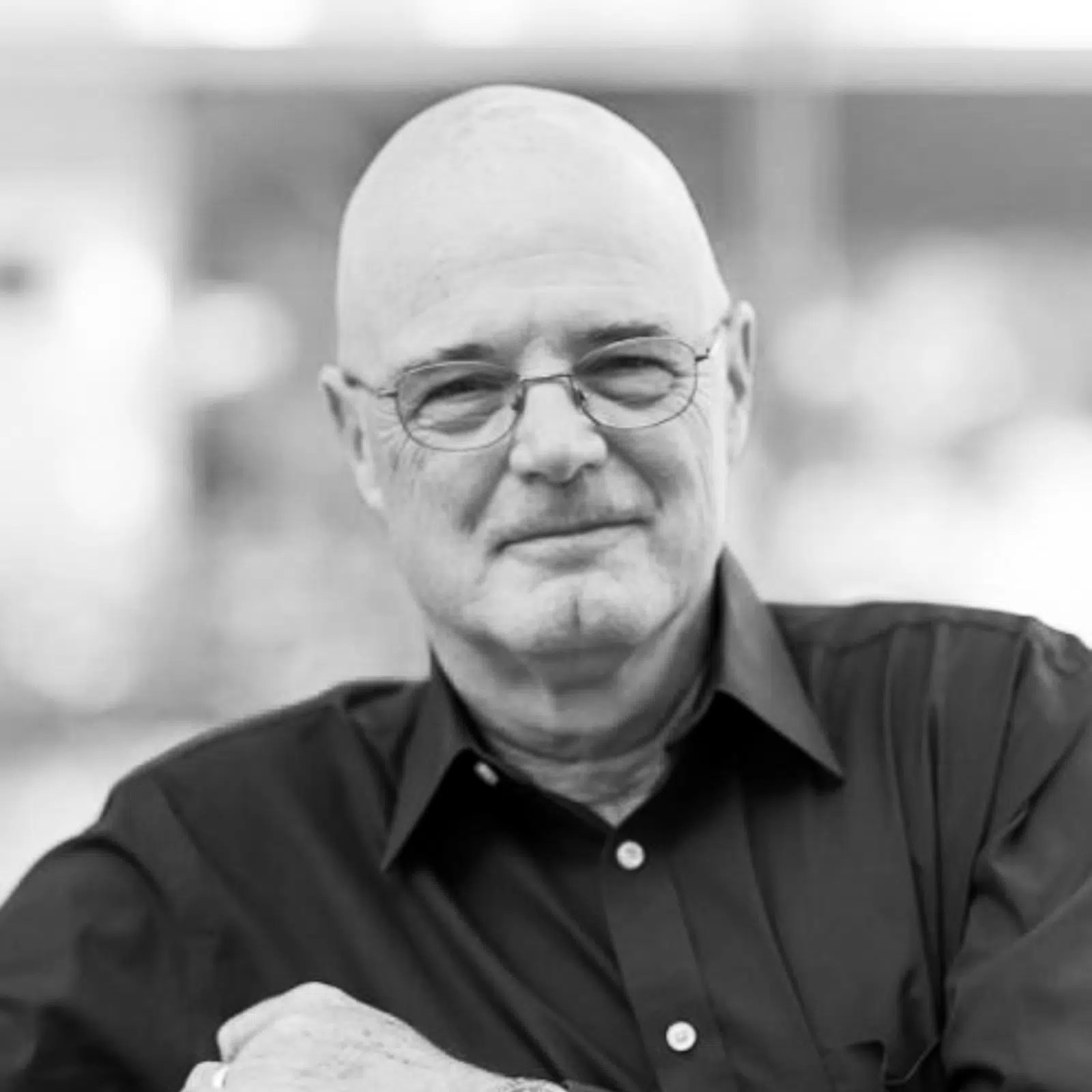
One of the authors who has influenced me is Brian McLaren. I believe him to be genuine, and I appreciate his personal journey of faith. In his book Do I Stay Christian? he addresses all the reasons one would choose to leave the Christian faith and then the reasons to stay. I found this book extremely helpful in my journey of reorientation.

This one book answers lots of my questions about our Christian heritage. I am determined to comprehend the whole truth of our history.
I sent emails reviewing the book chapter by chapter the year before last. I hope you read them. Here is an excerpt –
| My thoughts are in bold italics. |
| I want to emphasize that Part I of this book includes all the reasons someone would choose not to stay a Christian. Part II expresses the reasons you would choose to stay.~ ~ ~Ouch! I guess I’m one of Wrinkling People. There are many of us. We found our community in church. Young people today seem to find it in social groups outside of church. In the West, the Christian religion is shrinking in size and wrinkling with age. In fact, we can combine increasing average age with decreasing attendance to create a new word to describe the phenomenon: shrinkling. In the United States, Mainline Protestants first sounded the alarm about their shrinkling back in the 1960s.. . . More recently, the Public Religion Research Institute (PRRI) issued a sobering update: from 2008 to 2019, the number of white Evangelicals in the United States dropped by 6.2 percent to make up 15.2 percent of the population. They had shrunk to about the same percentage of the population as Mainline Protestants (14.7 percent), who, by the way, had actually grown during that period by about two percentage points. (I suspect that the growth in Mainliners is explainable in large part by ex-Evangelicals transferring their membership.) White Catholics had also shrunk since 2008, from 16.1 percent to 12 percent. As church historian Diana Butler Bass said about these numbers, “Nothing is as it was.” Adding to the concern, the Gallup polling organization reported in 2021 that U.S. membership in religious communities (Christian, Jewish, Muslim, etc.) dropped below 50 percent for the first time since their research began nearly a century ago. And forecasters tell us that the storm is about to get a lot worse because a group’s average age can rise slowly and steadily from forty to fifty to sixty to seventy until the group plunges off the demographic cliff. We have watched this happening at our church. McLaren paints a bleak picture of the future as far as Christianity is concerned. I’ve attended various Christian denominations in my adult life-Southern Baptist, Presbyterian, Methodist, Full Gospel, and Cooperative Baptist Fellowship, and I can see what he is writing about. There are some similarities with cults when you can be excluded from your “tribe” for the way you dress or the traditions you keep-if you drink alcohol, dance or speak in tongues, or heaven forbid you are gay. . . . as we will see in more depth in Part II of this book, the problems that plague white Western Christianity may turn out not to be uniquely white, Western, or Christian problems. They may not even turn out to be uniquely religious problems. They may simply be human problems—problems of greed, abuse of power, fear, institutionalism, inflexibility, apathy, susceptibility to authoritarian con men, and the like. Christianity promised that it had some special divine guidance and protection that would lift it above these human problems to some degree at least, but it’s becoming apparent that this promise was on par with those made by Christian leaders claiming to “pray away the gay” or pray in the fast cash. And so, I suspect that the shrinkling of the Christian religion will likely become a global phenomenon too, eventually, as long as these trends continue: more young people learn basic history (not history sanitized by religious censors), more young people learn basic science (not science dumbed down by religious censors), more young people embrace critical thinking (and refuse to comply with demands that they submit to inerrant or infallible religious authority structures), more young people become politically aware, ecologically aware, racially aware, and economically aware, more young people have access to professional journalists and citizen journalists who tell the truth about religious scandals and hypocrisy happening now (including but not limited to sex scandals, political deals, and financial mismanagement), more young people have access via computers, smartphones, and as-yet unimagined technologies to the internet and a global reservoir of unfiltered information. You may feel that these first ten chapters make the rest of this book unnecessary, even impossible. It’s an open and shut case: staying Christian is no longer a viable option for any thoughtful, ethical person. Part I actually makes the rest of this book more necessary than ever. So when you’re ready, when you’ve let these first ten chapters settle, I hope you’ll take a deep breath, brew a fresh pot of coffee or tea, take a walk outdoors, and then turn the page to Part II. |
If you are on a journey with your doubts, like me, read this book. Many of us still love Jesus and every word we believe him to have said.
#religiousdecontruction #futurechristianity
The next entry will post in two weeks.
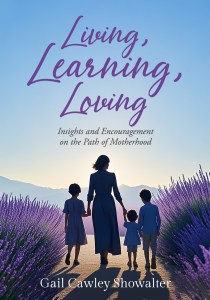
I raised three children as a single mother before I remarried. In 2007 I founded SMORE for Women, a nonprofit whose goal is Single Moms, Overjoyed, Rejuvenated, and Empowered. I’m also a Certified Professional Coach and my stories have been published in several Christian books and magazines. My book, Living Learning Loving is available on Amazon. My Website.



 Gail Cawley Showalter